
What We Actually Check Before We Certify a Translation
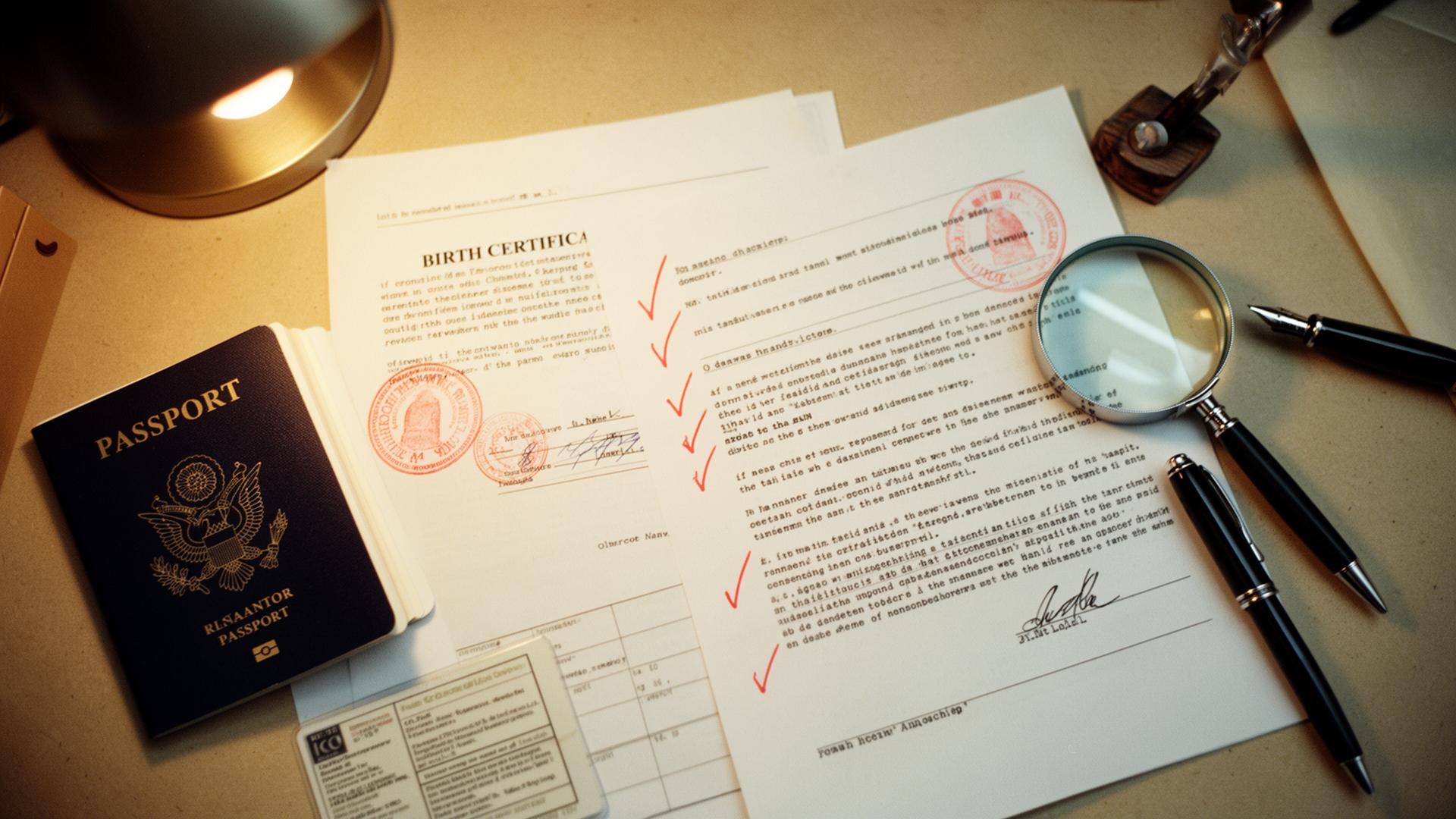
A page lands on my desk at half past nine most mornings. It might be a Vietnamese birth certificate, a Polish degree transcript, or a Lebanese police clearance. Before that page leaves the office with a stamp on it, nine pairs of eyes and checks have moved across it. Clients rarely see this part of the work. They see the finished PDF.
This piece opens the door on what actually happens between the translator finishing a draft and the file going out the door. If you have ever wondered why a naati certified translation costs more than a casual translation from a friend, the answer sits inside these nine checkpoints.
The short answer for readers in a hurry
Before we certify a translation, we check source legibility, document type against current naati translation requirements, name transliteration against the passport, dates and reference codes, stamps and seals, the certification block, the practitioner ID against the public directory, layout fidelity against the source, and a final reviewer sign off. Nine checks. Every file, every time.
Checkpoint one: source legibility and completeness
The first thing a reviewer does is open the source scan and count pages. A two page marriage certificate often arrives as a one page scan because the reverse side was missed at the photocopier. We check edge to edge for cropped stamps, faded ink, and obscured signatures. If anything is missing, the file goes back to the client before any translation work begins. Translating an incomplete source is the fastest route to a rejected file at the other end.
Checkpoint two: matching the document to current rules
Different documents face different expectations. A birth certificate needs every marginal annotation rendered, a police clearance needs the issuing authority block intact, a degree transcript needs the grading legend preserved. We match the document to the receiving authority and confirm the current naati translation requirements for that pairing. Rules shift quietly. A check that worked last year may now be the exact thing a case officer flags.
The nine checkpoints at a glance
| Stage | What we verify | Why it matters |
|---|---|---|
| 1. Source scan | Page count, edges, clarity | Catches missing pages early |
| 2. Document type | Rules for the receiving authority | Aligns with current standards |
| 3. Names | Passport spelling, diacritics | Prevents identity drift |
| 4. Dates and numbers | Calendar conversion, reference codes | Removes ambiguity |
| 5. Stamps and seals | Text inside every mark rendered | Preserves authenticity signals |
| 6. Certification block | Translator statement complete | Establishes legal accountability |
| 7. Practitioner ID | Directory lookup confirms current | Verifies credential live |
| 8. Layout | Position of panels, tables, marks | Reads as the source page |
| 9. Sign off | Second reviewer cold read | Catches what familiarity hides |
Checkpoint three: name transliteration against the passport
Names break more files than any other single field. We pull the applicant passport scan onto the second screen and read the spelling letter by letter against the translation. A Cyrillic to Latin transliteration can travel three different paths depending on the convention used at the source. The translation has to match the passport spelling, and any variance in the source script gets recorded as a translator note instead of being silently smoothed over. The earlier a side by side look at compliant translations shows what a name field looks like when this step is skipped.
Checkpoint four: dates, numbers, and reference codes
Date formats arrive in every shape you can think of. We convert each one to a single labelled day month year, in full, and we note the source format where the calendar is not Western. Reference codes on identity documents get retyped twice and compared character by character. A single digit out of place on a registration number turns the translation into a different document. Public guidance from the Department of Home Affairs identity checklist covers exactly why this discipline matters at the receiving end.
Checkpoint five: stamps, seals, and registrar marks
Every ink stamp, every embossed seal, every handwritten margin note carries information. We reproduce the position of each mark on the translation, transcribe the text inside, and render that text into English. A stamp described as a generic official seal is a stamp the case officer cannot read, and an unreadable stamp is a flag. This stage takes longer than people expect on a busy multi panel document like a police clearance.
Checkpoint six: the certification block
The certification block is where the translator takes legal responsibility. We confirm the translator full name, the certification direction, the current practitioner ID, the language pair, the date of certification, and the signed or sealed mark all sit on the same page as the body text. The block is the most read element on any certified file, which is why a single missing field collapses the trust the rest of the document earned. Clients arriving through the homepage at naati certified translation already expect this block on every file we deliver.
Checkpoint seven: practitioner ID against the public directory
This is the cheap check that catches expensive problems. We open the public NAATI practitioner directory, search the practitioner ID assigned to the translator, and confirm the name, language pair, and current certification status all match the certification block on the page. A lapsed entry is the same as no credential at all from a case officer point of view, and the directory entry is the source of truth.
Checkpoint eight: layout fidelity to the source
A translation that reflows the source into a generic Word template loses information about the document. Tables become paragraphs, two column panels become single columns, marginal stamps drift to the centre. We rebuild the layout to mirror the source page so the reviewer reads the translation the way they read the original. Layout fidelity sounds cosmetic. It is the cheapest authenticity signal a translator can give.
Checkpoint nine: the final reviewer sign off
A second reviewer who has not seen the file picks it up cold and reads it against the source one more time. Familiarity hides errors. A fresh pair of eyes catches the off by one date, the dropped middle initial, the seal text that was paraphrased instead of transcribed. Only then does the file enter the certification queue. For high stakes documents such as passport pages and identity cards, the team at official document translation services runs this final pass twice.
What a case officer sees versus what we check
| Case officer surface check | What our review desk verified |
|---|---|
| Certification block present | Six fields complete and current |
| Names look consistent | Letter by letter passport match |
| Stamps appear translated | Every mark transcribed in position |
| Layout mirrors the source | Tables, panels, and signatures rebuilt |
Three myths worth retiring
Quick translation of documents from a bilingual friend is the same as a certified file. It is not. The certification block carries legal weight that a casual translator cannot offer. Another myth says a notarised stamp on an uncertified translation is enough. A notary witnesses a signature, not the accuracy of the language. A third myth says document translation naati standards apply only to migration files. They apply just as firmly to academic, legal, and licensing files inside Australia.
A two minute self check before you submit
- Open every page of the source scan and count edges for cropping
- Read each name aloud against the passport spelling
- Confirm every date appears in a single labelled format
- Find every stamp on the source and locate its rendered text
- Check the certification block carries six complete fields
- Search the practitioner ID on the public directory
Why this matters
None of these checks are dramatic. Each one takes a minute or two. Together they decide whether your file reads as evidence or pushes back as incomplete. A translation that quietly passes every checkpoint costs you a single fee. A translation that fails one of them can cost you a quarter of waiting for a request for further information to clear. The discipline of the review desk is the discipline of the result.
About the author. Priya Kothari leads the quality assurance desk at Passport Translations and reviews every certified file across migration and academic categories before it carries the practitioner stamp.