
Before and After: What a Poor Translation Looks Like Next to a NAATI Compliant One
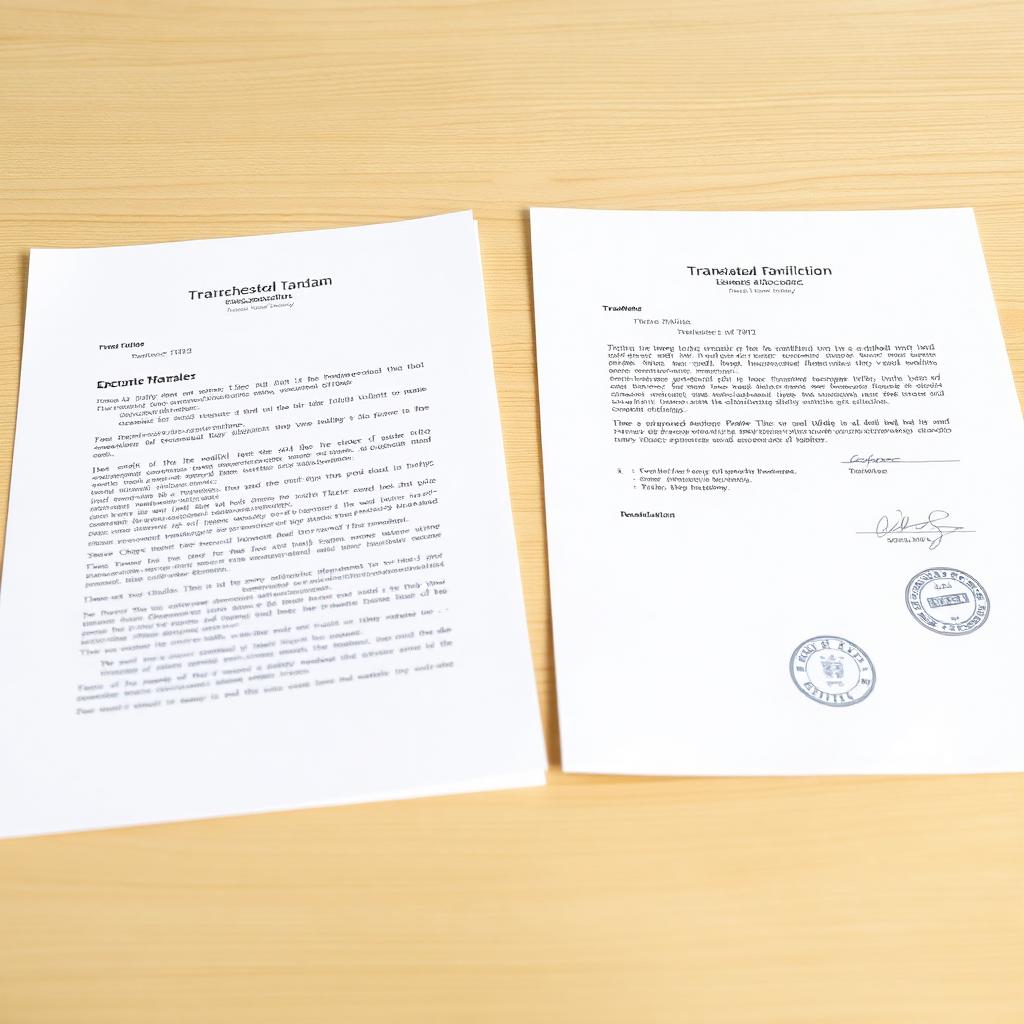
A client sent me two versions of the same Spanish birth certificate last week. One had been prepared overseas by a translator with no Australian credential. The other came from our review desk after a full rebuild. From a distance the pages looked identical. Under a case officer's eye, only one of them was usable.
The gap between a poor translation and a naati certified translation is rarely about language skill. It sits in the formatting, the certification block, the rendering of stamps, and the way names and dates are handled. This piece walks through each layer the way a reviewer reads it.
The six things a case officer checks first
Before any line of body text gets read, a case officer scans for a short list of compliance signals. The presence or absence of these six items decides whether the translation is treated as evidence or pushed back as incomplete.
- A layout that mirrors the source document instead of a reflowed Word file
- A complete certification block carrying the translator name, practitioner ID, language pair, and date
- Every stamp, seal, and marginal note rendered into English rather than described
- Names that match the passport spelling letter for letter
- Dates converted to a clearly labelled day month year format
- Signatures and registrar marks transcribed and attributed, not erased
Header and document framing
A weak translation often opens with the translator agency logo and a generic "Translation of attached document" line. A compliant version opens with a labelled reproduction of the source document title, the issuing authority, and the document reference numbers exactly as they appear on the original page. Case officers compare these headers to the scanned source side by side. If the framing does not match, trust collapses before the body text is read.
Names and identity fields
The biggest single difference between the two files I reviewed last week was how the applicant's name appeared. The overseas version transliterated the surname phonetically and dropped the second given name. The compliant version followed the passport spelling exactly and added a translator note that recorded the variance in the source script. When identity fields drift across documents, the Department of Home Affairs treats the drift as a risk indicator. Their published certified document translation services guidance for identity evidence sets out exactly this expectation, and a credentialed translator builds the entire name block around it.
Dates and calendar conversions
Source documents arrive in dozens of date formats. A weak translation keeps the source ordering and hopes the reader will work it out. A compliant translation converts every date to a single labelled format, usually day month year written in full, and notes the original format in a translator note where the source uses a non Western calendar. Off by one calendar errors are one of the most common causes of refusal requests we see.
Side by side comparison across six fields
| Field | Poor translation | NAATI compliant translation |
|---|---|---|
| Formatting | Reflowed paragraphs in a generic Word template | Layout that mirrors the source page, including tables and panels |
| Certification | Missing certifier details or undated | Translator name, practitioner ID, language pair, and date |
| Stamps | Marked as "official seal" with no text | Full text inside every seal rendered in English |
| Names | Inconsistent spelling, second names dropped | Passport spelling followed exactly, variances noted |
| Dates | Source format kept, calendar conversions guessed | Single labelled day month year format with translator note |
| Signatures | Erased or replaced with a blank line | Transcribed and attributed to the named registrar or officer |
Stamps, seals, and registrar marks
Every embossed seal and ink stamp on the source document carries information about issue, authority, and authenticity. A weak translation collapses all of them into a generic note. A compliant version reproduces the location and shape of each mark, transcribes the text inside, and renders that text into English. Many of our reviewers cross check practitioner IDs through the public NAATI practitioner directory as part of this stage, because the same care that the source registrar puts into the seal needs to live inside the translation.
The certification block
The certification block is the page where the translator takes legal responsibility for the work. A poor file uses a generic statement with no practitioner ID. A compliant file carries the translator's name, certification direction, current practitioner ID, language pair, date of certification, and a signed or sealed mark. Our team at certified document translation services treat the certification block as the single most checked element on every birth certificate, marriage certificate, and police clearance that leaves the review desk.
What case officers do with the difference
When the compliance signals are present, the case officer treats the translation as evidence and reads the content for what it says. When they are missing, the file is bounced back through a request for further information. The Department of Home Affairs publishes visa processing times that reset every time a request goes out, so a small compliance gap on the translation page can push a decision by several weeks.
The signature panel
Source documents often carry a registrar signature, a stamp signature, and a witness mark. A poor translation strips them. A compliant translation transcribes each signature line in square brackets, attributes the line to the named officer where the original document identifies them, and places the marks in the same panel they occupy on the source page. A reviewer reads the signature panel as a single visual unit, so layout matters as much as transcription.
Quick audit in two minutes
If you want to test your current translation before you lodge, run through the following checks in order. Anything that fails is worth raising with your provider before the file goes near a case officer.
- Compare the translation header to the source document header
- Confirm the translator name and practitioner ID are present and current
- Open every stamp on the source and find its rendered text on the translation
- Read every name aloud against the passport spelling
- Check every date for a single labelled day month year format
- Confirm signatures are transcribed and attributed
Why a rebuild is often faster than a patch
I rarely recommend patching a poor translation. The compliance gaps usually live across every element, and a partial fix leaves a file that still feels inconsistent to a reviewer. A clean rebuild from a credentialed translator costs less than a refusal, and it produces a single coherent document that reads as evidence on first pass. Plenty of the case files I see on the review desk could have skipped the patching round entirely. The earlier related guidance on translation of documents that miss the mark covers the same compliance gaps in a different format and pairs well with this teardown.
Key takeaways
- The visible gap between a poor and a compliant translation lives in formatting, certification, and stamps
- Names and dates carry the highest single risk of triggering an identity check
- The certification block is the most read element on every file
- A rebuild from a credentialed translator usually costs less than a patched submission
If you are weighing two translations on your desk right now, run the two minute audit above before you decide which one to lodge. The clearer file is almost always the one that survives the review.