
Vietnamese Document Translation for Australia: Complete 2026 Guide
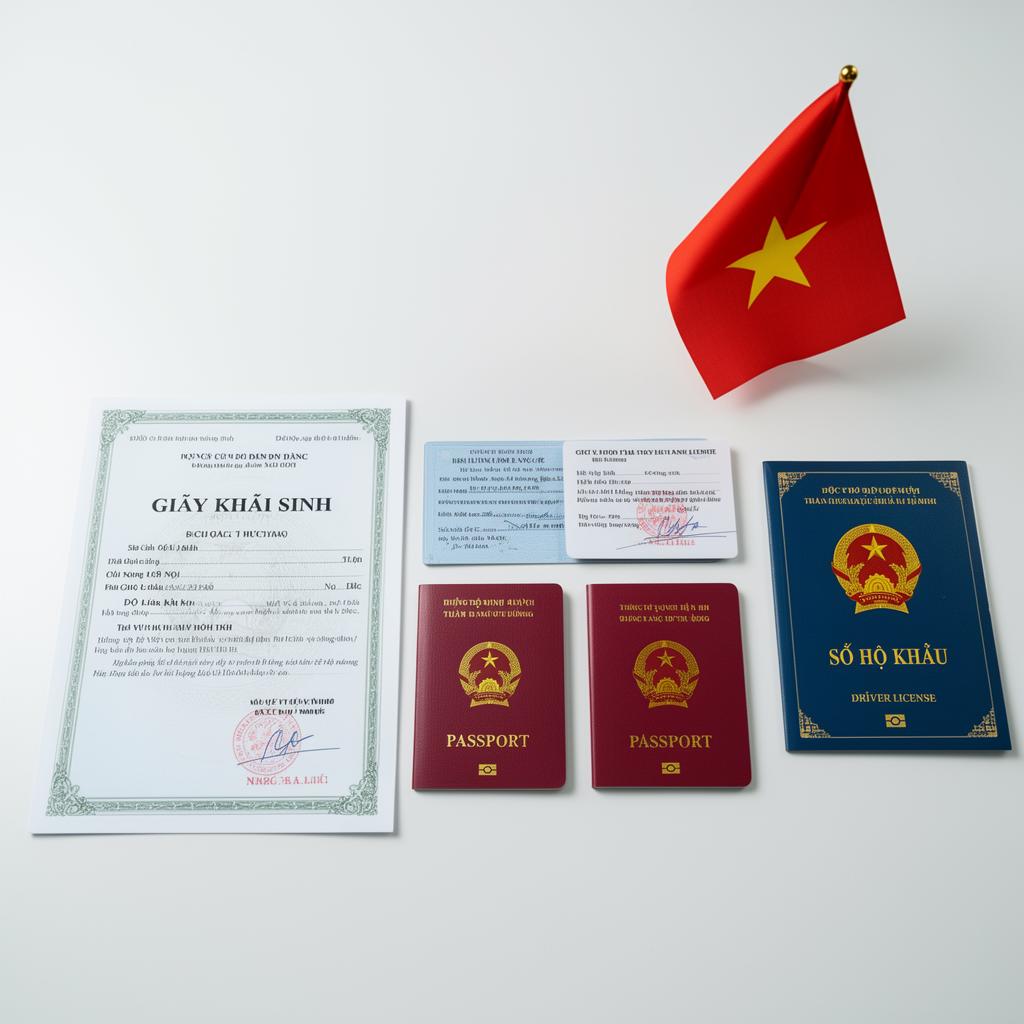
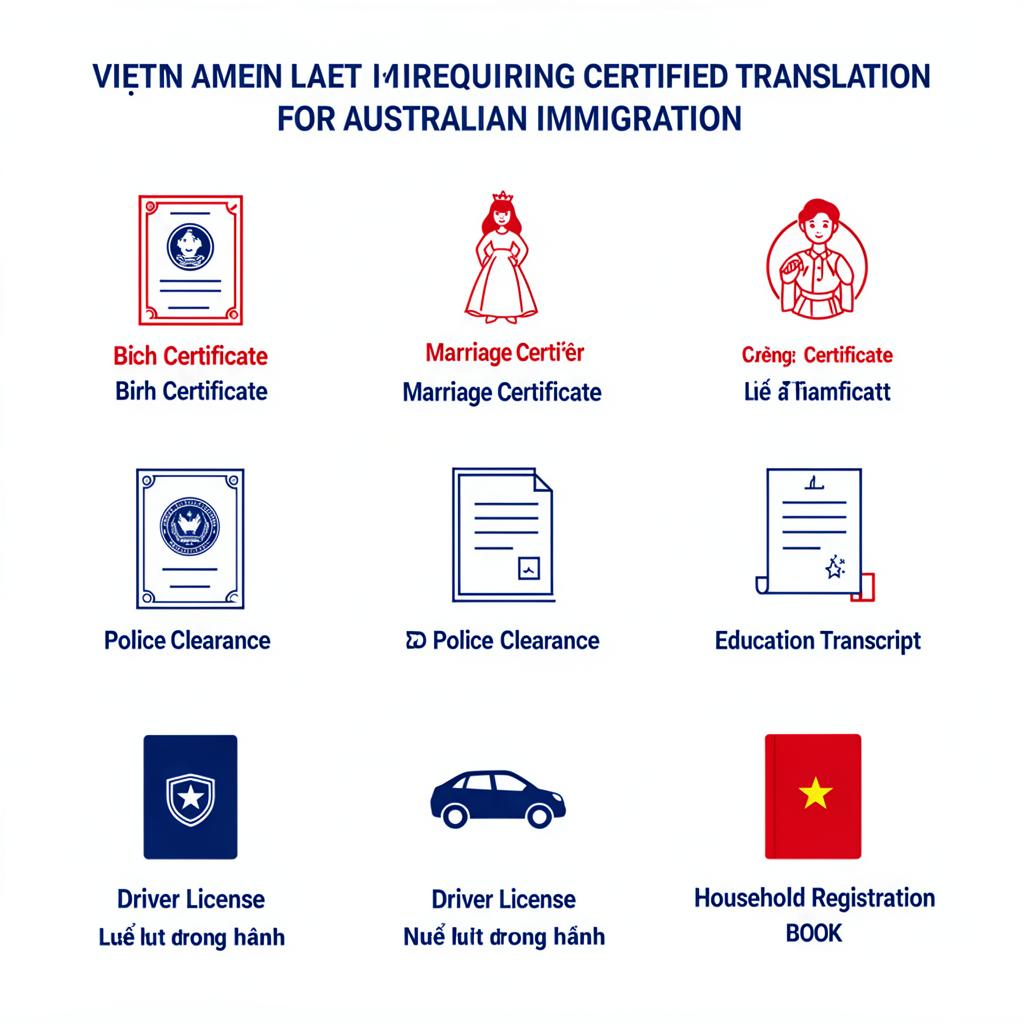
Vietnam's administrative system produces some of the most distinctive official documents in the world — from the sổ hộ khẩu (household registration book) that has no direct equivalent in Western countries, to police clearance certificates issued under a completely different legal framework. For Vietnamese nationals applying for Australian visas, understanding which documents require NAATI approved translators and how each document functions within Vietnam's bureaucratic system is essential.
The Department of Home Affairs requires all non-English documents to be accompanied by certified translations completed by a NAATI accredited translator. But Vietnamese documents present unique challenges: tonal diacritics that must be preserved exactly, a name order system (family name first) that differs from Australian conventions, and document formats that vary between provinces and issuing periods.
This guide explains every major Vietnamese document type you may need translated, the specific challenges each presents, and how to ensure your translations meet Australian immigration standards. Whether you're applying for a partner visa, skilled migration, or student visa, these requirements apply across all subclasses.
Why Vietnamese Documents Require Specialist Translation
Vietnamese (tiếng Việt) uses a Latin-based script with an extensive system of diacritical marks — six tones and additional vowel modifications. This makes Vietnamese one of the most diacritic-heavy languages in the world. A certified Vietnamese translator must reproduce every mark precisely, because even minor omissions change meaning entirely.
Beyond the script, Vietnam's administrative system differs fundamentally from Australia's. Documents are issued by People's Committees at commune, district, and provincial levels, and the format, stamps, and signatures vary depending on the issuing authority and the period in which the document was created. Pre-2000 documents, in particular, may use older formats or handwritten entries that require specialist interpretation.
The Department of Home Affairs expects translations to reflect the original document faithfully — including all stamps, seals, and annotations. Information about requirements is available through the Department of Home Affairs document requirements page.
Birth Certificates (Giấy Khai Sinh)
The Vietnamese birth certificate — giấy khai sinh — is issued by the local People's Committee (Ủy ban Nhân dân) at the commune or district level. It is the foundational identity document in Vietnam and is required for virtually every Australian visa subclass.
A typical Vietnamese birth certificate contains:
- Full name (họ và tên) — family name listed first
- Date of birth (ngày sinh)
- Place of birth (nơi sinh)
- Gender (giới tính)
- Parents' names and details
- Registration number and date
- Official stamp and signature of the issuing authority
Example: A birth certificate from Quận 1, Thành phố Hồ Chí Minh will typically bear the stamp of the UBND Quận 1 and be signed by the chairperson or authorised delegate.
Translation challenge: Older birth certificates (pre-2000) may be handwritten and issued on different form templates. Provincial variations exist — a birth certificate from Hà Nội may look quite different from one issued in Đà Nẵng or Cần Thơ. The translator must accurately render all details regardless of format.
For more information about birth certificate translation requirements, visit our birth certificate translation service page.
Marriage Certificates (Giấy Chứng Nhận Kết Hôn)
The Vietnamese marriage certificate — giấy chứng nhận kết hôn — is issued by the local People's Committee where the marriage was registered. For partner visa applications (subclasses 309/100 and 820/801), this is a critical document.
A Vietnamese marriage certificate typically includes:
- Full names of both spouses
- Dates of birth
- Nationalities
- Date and place of marriage registration
- Registration number
- Official stamp of the People's Committee
Important distinction: Vietnam distinguishes between marriages registered domestically (under Vietnamese family law) and marriages involving foreign nationals, which may require additional documentation from the Ministry of Justice (Bộ Tư pháp). The translator must understand these distinctions to ensure the translation accurately reflects the document's legal context.
Police Clearance Certificates (Lý Lịch Tư Pháp)
The Vietnamese police clearance certificate is formally called phiếu lý lịch tư pháp and is issued by the Ministry of Justice's National Centre for Judicial Records (Trung tâm Lý lịch tư pháp quốc gia) or by the provincial Department of Justice (Sở Tư pháp).
This document is required for character assessment in most Australian visa applications. There are two types:
- Type 1 (Phiếu số 1): States whether the individual has a criminal record — commonly used for immigration and employment purposes
- Type 2 (Phiếu số 2): Provides detailed information about any convictions — typically requested by judicial authorities
Visa requirement: The Department of Home Affairs generally requires a Type 1 certificate for visa applications. Applicants who have lived in Vietnam for 12 months or more in the past 10 years must provide this document.
Processing consideration: Vietnamese police clearance certificates typically take 10–15 working days to obtain in Vietnam, and they have a limited validity period (usually 6 months from the date of issue). Plan your translation timeline accordingly to ensure the document remains valid when your visa application is assessed.
Further details about police clearance requirements are available through our police clearance translation service page.
Education Documents (Bằng Tốt Nghiệp & Bảng Điểm)
Vietnamese education documents include degree certificates (bằng tốt nghiệp) and academic transcripts (bảng điểm). These are essential for skilled migration visas, student visas, and professional skills assessments.
Key features of Vietnamese education documents:
- Grading system: Vietnam uses a 10-point scale, where 5.0 is the minimum passing grade. Classifications include Xuất sắc (Excellent, 9.0–10.0), Giỏi (Very Good, 8.0–8.9), Khá (Good, 7.0–7.9), and Trung bình (Average, 5.0–6.9)
- Degree types: Cử nhân (Bachelor's), Thạc sĩ (Master's), Tiến sĩ (Doctorate)
- Issuing authorities: Universities issue their own certificates, but they are regulated by the Ministry of Education and Training (Bộ Giáo dục và Đào tạo)
- Translation challenges: Subject names, institutional titles, and academic terminology must be translated with precision. Abbreviations used on Vietnamese transcripts may not have direct English equivalents
For skills assessments through bodies like VETASSESS or Engineers Australia, transcripts must be translated in full — including all subject names, grades, and institutional details. Partial translations are not accepted.
Driver Licence (Giấy Phép Lái Xe)
The Vietnamese driver licence — giấy phép lái xe — is issued by the Ministry of Transport (Bộ Giao thông Vận tải) through provincial Departments of Transport. Vietnamese nationals moving to Australia frequently need their licence translated for use with state road authorities such as VicRoads, Service NSW, or the Department of Transport and Main Roads (Queensland).
Vietnamese driver licences include several categories:
- A1: Motorcycles up to 175cc
- A2: Motorcycles over 175cc
- B1: Passenger vehicles up to 9 seats (automatic)
- B2: Passenger vehicles up to 9 seats (manual and automatic)
- C: Trucks up to 3.5 tonnes
- D, E, F: Larger vehicles including buses and heavy trucks
Example: A licence showing "Hạng B2" issued in Thành phố Hồ Chí Minh with an expiry date (ngày hết hạn) of 2028 would need all fields translated, including the licence number, category, issuing authority, and validity period.
Expiry and validity: Vietnamese licences are valid for varying periods depending on the category — typically 5 to 10 years. Australian state authorities require the translated licence to show the expiry date clearly. An expired licence may not be accepted for licence conversion.
Learn more about our driver licence translation services.
Household Registration (Sổ Hộ Khẩu)
The sổ hộ khẩu is one of the most important — and most misunderstood — Vietnamese documents for immigration purposes. It is a household registration book that records every member of a family unit registered at a specific address. There is no direct equivalent in the Australian system.
The sổ hộ khẩu contains:
- Head of household's full details
- Names, dates of birth, and relationships of all registered household members
- Registered address
- Changes to household membership (births, marriages, deaths, departures)
- Official stamps from the local police authority
Why it matters for immigration: The sổ hộ khẩu serves as proof of family relationships, residential history, and identity. For partner visa applications, it can corroborate the relationship between the applicant and their family. For parent visa applications, it can help establish the parent-child relationship.
Example entry: A typical page might read: "Nguyễn Văn A, sinh ngày 15/03/1985, quan hệ với chủ hộ: con trai" — meaning "Nguyễn Văn A, born 15 March 1985, relationship to head of household: son."
Other Important Vietnamese Documents
Beyond the core documents above, several other Vietnamese documents may be required depending on your visa subclass:
- National ID Card (CMND / CCCD): Vietnam has transitioned from the old Chứng minh nhân dân (CMND) to the new Căn cước công dân (CCCD) — a chip-based citizen identity card. Both versions may appear in visa applications, and the translator must identify which type is being translated
- Divorce certificates (Giấy xác nhận tình trạng hôn nhân): Required for partner visa applications where either party has been previously married. Issued by the local People's Committee
- Death certificates (Giấy chứng tử): May be required if a previous spouse is deceased or for parent visa applications
- Residency records: Additional residential history documents that supplement or replace the sổ hộ khẩu, particularly for applicants in urban areas
Common Problems with Vietnamese Document Translation
Vietnamese documents present specific translation challenges that less experienced translators frequently get wrong:
- Missing diacritics: Vietnamese has 12 vowels and 6 tones, creating dozens of diacritical combinations. "Nguyên" and "Nguyễn" are completely different words. A translator who strips or misplaces diacritics creates a document that may not match the applicant's other identity documents
- Incorrect name order: Vietnamese names follow the order: family name (họ) + middle name (tên đệm) + given name (tên). "Nguyễn Thị Lan" has the family name Nguyễn, middle name Thị, and given name Lan. Australian documents typically list given name first, so the translator must handle this correctly without changing the original document's content
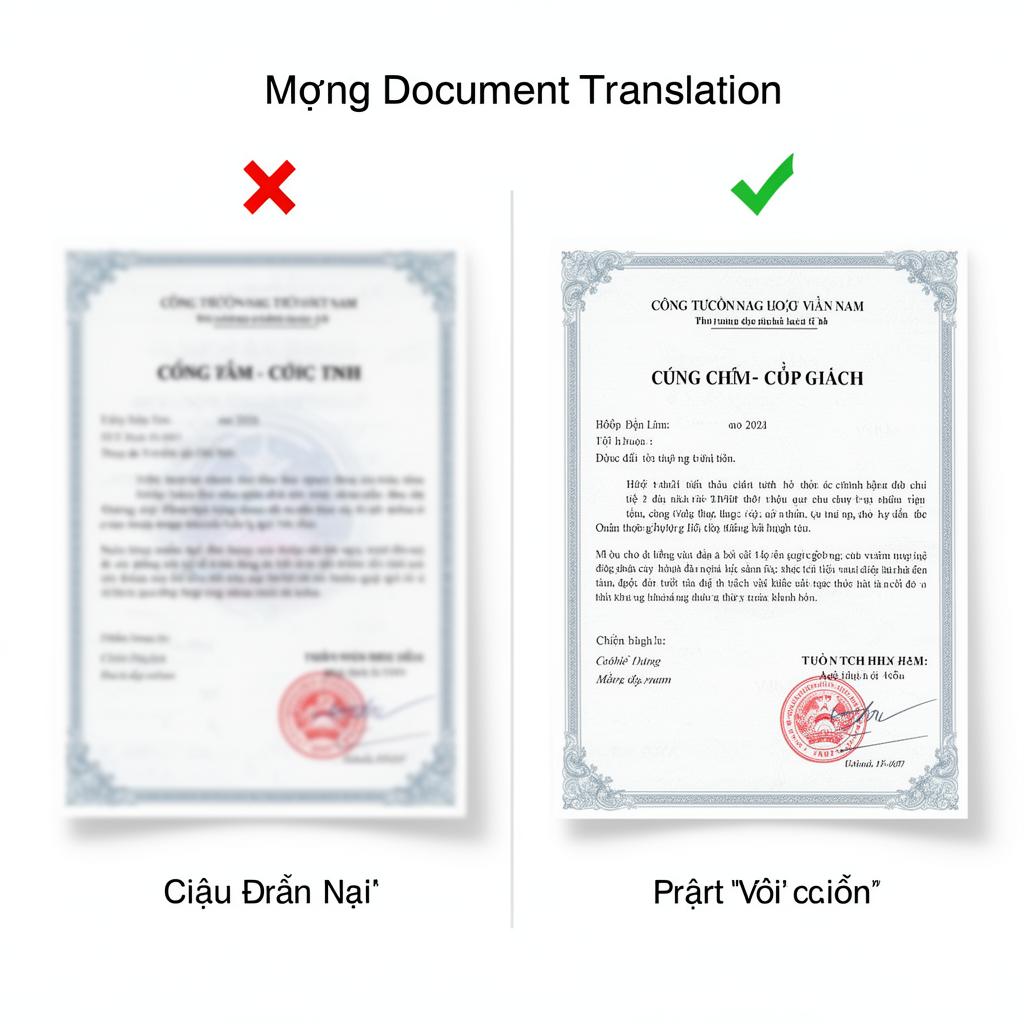
- Unclear scans: Many Vietnamese documents use red stamps and seals that do not reproduce well in photocopies or scans. The translator must note any illegible portions rather than guessing at their content
- Incomplete documents: Some applicants provide only selected pages of multi-page documents (such as the sổ hộ khẩu). The translation must cover all pages provided, and the translator should note if pages appear to be missing
How to Get Your Vietnamese Documents Translated
The process for getting Vietnamese documents translated for Australian immigration is straightforward:
- Scan your original Vietnamese document clearly — ensure all text, stamps, and signatures are visible
- Upload your document through our secure platform
- A NAATI certified Vietnamese-English translator completes the translation
- The translation includes the translator's NAATI practitioner ID and certification statement
- You receive the completed translation as a PDF, ready for submission to the Department of Home Affairs or any Australian authority
All translations are completed by translators listed on the NAATI online directory, ensuring they meet the standard expected by Australian authorities.
Digital vs Hard Copy Translations
Australian authorities, including the Department of Home Affairs, generally accept digital (PDF) translations uploaded through online portals such as ImmiAccount. However, there are important considerations:
- Digital submissions: Suitable for ImmiAccount uploads, online skills assessments, and most government portals. The PDF must include the translator's certification page with NAATI practitioner ID
- Hard copy requirements: Some tribunals, courts, or specific visa subclasses may request certified hard copies. In these cases, the translator provides a signed and stamped physical copy
- Colour scans: For Vietnamese documents with red stamps and seals, colour scans are strongly recommended over black-and-white, as the stamps can become illegible in greyscale
For guidance on uploading translated documents to ImmiAccount, read our detailed guide on uploading NAATI translations to ImmiAccount correctly.
Cost of Vietnamese Document Translation
Translation costs depend on the document type and complexity:
| Service Type | Price (AUD) | Best For |
|---|---|---|
| Self-Serve Extract Translation | $44.95 | Standard certificates with familiar formats |
| Extract Translation | $59.95 | Birth certificates, marriage certificates, ID cards |
| Full Translation | $79.95 | Multi-page documents, sổ hộ khẩu, academic transcripts |
Factors that affect pricing include:
- Document length and complexity
- Handwritten vs printed content
- Legibility of the original document
- Number of pages (particularly relevant for sổ hộ khẩu and academic transcripts)
Standard turnaround times are: self-serve extract translations from 1 hour, extract translations from 1 business day, and full translations from 2–3 business days.
Frequently Asked Questions
Do Vietnamese documents need to be translated for Australian visa applications?
Yes. The Department of Home Affairs requires all non-English documents to be accompanied by a certified English translation completed by a NAATI accredited translator. This applies to all Vietnamese documents submitted with your visa application.
What is lý lịch tư pháp?
Lý lịch tư pháp (formally phiếu lý lịch tư pháp) is the Vietnamese police clearance certificate. It confirms whether an individual has a criminal record in Vietnam. The Department of Home Affairs requires this for character assessment if you have lived in Vietnam for 12 months or more in the past 10 years.
Can Vietnamese driver licences be translated for use in Australia?
Yes. Vietnamese driver licences (giấy phép lái xe) can be translated by a NAATI certified translator for use with Australian state road authorities such as VicRoads, Service NSW, and others. The translation must include all licence categories, expiry dates, and issuing authority details.
What is a sổ hộ khẩu and why does it need translation?
The sổ hộ khẩu is Vietnam's household registration book, recording all family members at a registered address. It serves as proof of family relationships and residential history — valuable evidence for partner, parent, and family visa applications.
How are Vietnamese names handled in translation?
Vietnamese names follow the order family name–middle name–given name (e.g., Nguyễn Thị Lan). The translator preserves the original name order in the translation while noting the convention for Australian authorities. The given name is the last element, not the first.
Do diacritical marks matter in Vietnamese translations?
Absolutely. Vietnamese diacritics change meaning entirely — "Nguyên" and "Nguyễn" are different words. A certified translator must reproduce every diacritical mark exactly as it appears on the original document to avoid identity mismatches.
Can I translate my own Vietnamese documents?
No. The Department of Home Affairs does not accept self-translations. All translations must be completed by a NAATI accredited translator who is independent of the applicant. This ensures accuracy and impartiality.
Key Takeaways
- All Vietnamese documents submitted for Australian visas require NAATI certified translation
- Vietnamese diacritical marks must be preserved exactly — errors can cause identity mismatches
- The sổ hộ khẩu (household registration) has no Western equivalent and requires specialist understanding
- Police clearance certificates (lý lịch tư pháp) have limited validity — plan your translation timeline
- Vietnamese name order (family name first) differs from Australian conventions
- Use colour scans for documents with red stamps and seals
- Digital PDF translations are accepted for ImmiAccount uploads
Vietnamese documents reflect a complex administrative system that requires genuine expertise to translate accurately. From the distinctive sổ hộ khẩu to education transcripts using Vietnam's unique grading scale, each document type has specific features that a general translator may overlook. Our Vietnamese to English translation service covers all major document types, and choosing a certified Vietnamese translator with experience in immigration documentation ensures your translations are accurate, complete, and suitable for Australian authorities." style="color: #7c3aed; text-decoration: underline;">Vietnamese to English translation service covers all major document types, and choosing a certified Vietnamese translator with experience in immigration documentation ensures your translations are accurate, complete, and suitable for Australian authorities.